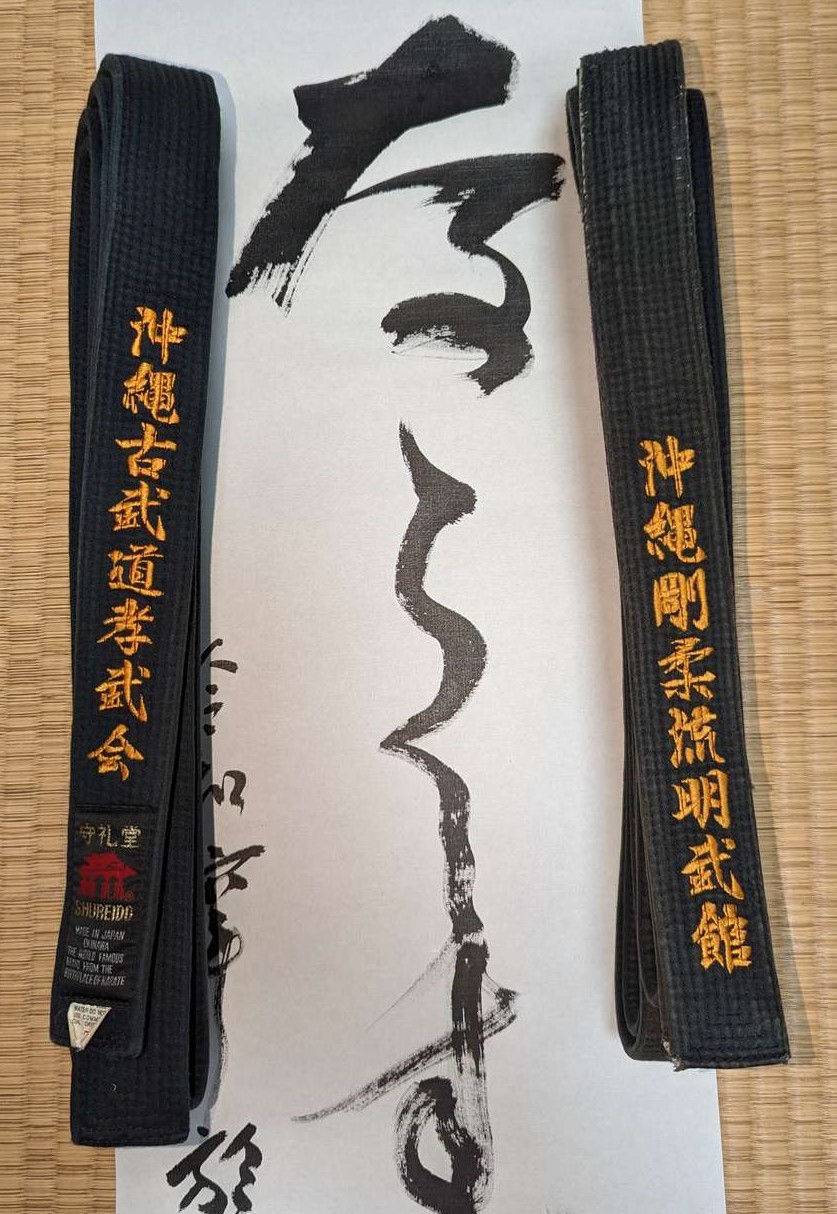
Shu Ha Ri
Shu-Ha-Ri (守破離) is a Japanese martial arts and philosophy concept that describes the three stages of learning and mastering a skill.
守 Shu (Follow) – Follow the form. Learn the fundamentals.
破 Ha (Break) – Understand the principles. Find your own way.
離 Ri (Transcend) – Go beyond the form. Create anew.
Stage One: Shu — Follow
Everyone starts here they follow the techniques, mimic the examples to understand the basics. Often people get stuck here not realising these basic fundamentals/principals are key to understanding, building muscle memory and progression.
Martial arts is practical so we learn by doing (practical application) where we say "When is doubt train it out". You try, some times you fail, you try again and learn to proceed.
This is a how fundamentals become embodied muscle memory.
Stage Two: Ha — Detach/Break
This stage can be tricky as you can get stuck second guessing and over analysing (analysis paralysis) or become confused overthinking techniques looking for the one true only way with hard logic. But not realising there is often multiple paths to the same solution.
This is where Ha comes in to play, trust in what you have learnt and what can naturally and practically be utilise (tools in the tool box) moving away from focusing only hard sets controlled series of movements, to spontaneously creativity based on the situation, your ability and muscle memory, taking over delivering a natural solution. Take a breath give in to the now, technique by techniques
Stage Three: Ri — Transcend/evolve
This is where true mastery lives, no longer limiting you to the fixed understanding but by building on efficiencies, you honour your teachings, evolving and/or creating something new. I'm sure you have seen someone in this phase making it all look effortless, easy and logical and spontaneous like flowing water.
This is not the end but the start of another loop of this circular process, you re-visit your foundations, rediscover and grow a deeper understanding.
The beginners mind must always be present, ready to learn and carry on.
Continuous improvement the perpetual student.